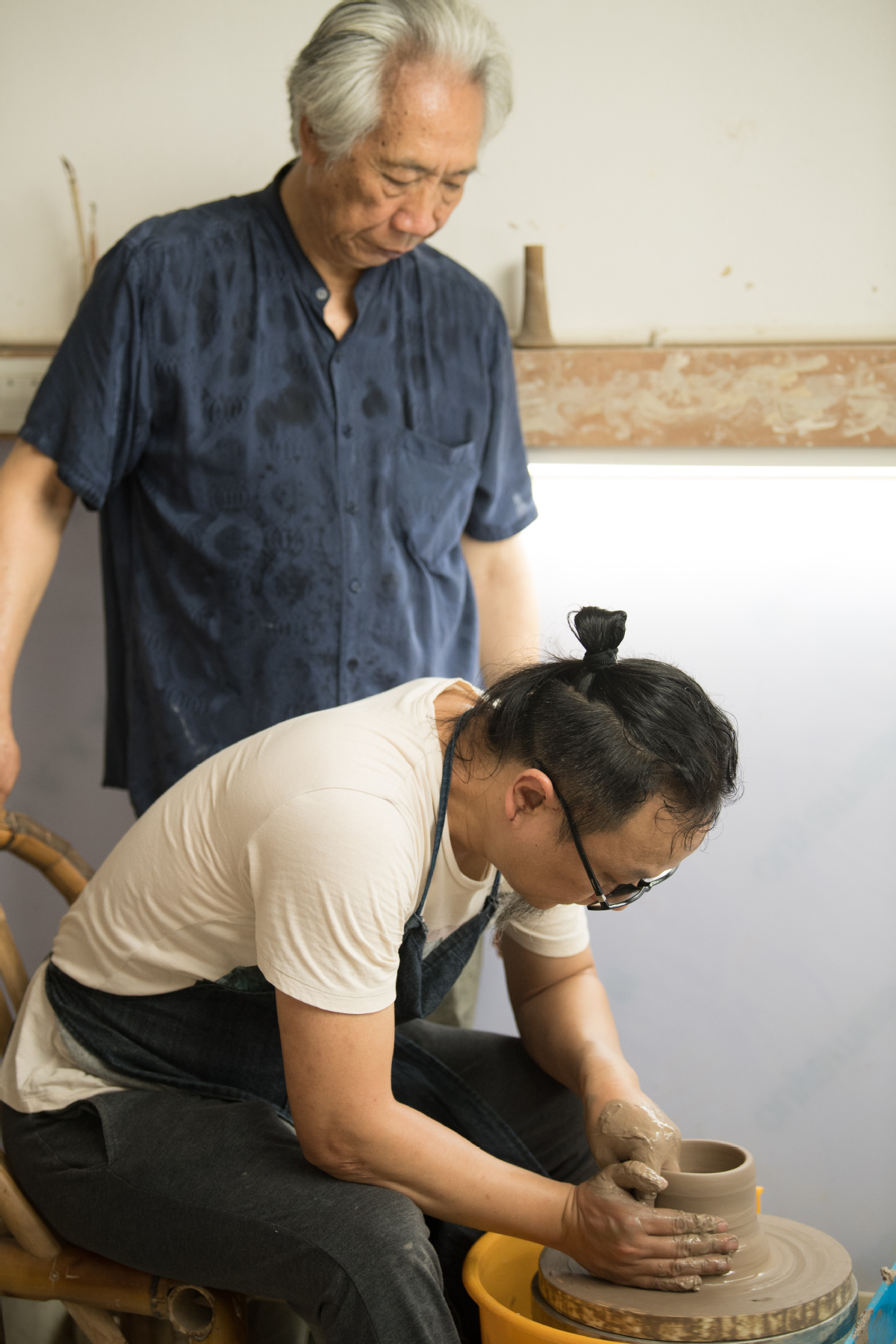
Mise Porcelain
Introduction to Mise Porcelain
Mise Porcelain, known for its mystical-colored appearance, is a type of Yueyao porcelain that originated during the Tang Dynasty (618-907). This exquisite porcelain, predominantly green with occasional yellow variants, was reserved exclusively for the royal family, and the techniques used to produce it were kept highly confidential. This secrecy contributed to the mystique surrounding its unique color, leading to its name "mise," which translates to "mystical-colored" in English. The making of mise porcelain represented the pinnacle of ceramic artistry during its time, capturing the attention of emperors and becoming a significant symbol of imperial tribute.
Historical Background
Mise porcelain was produced and offered as tribute to emperors from the late Tang Dynasty through the early Northern Song Dynasty (960-1127). It was highly valued for its delicate composition and pure colors, distinguishing it from ordinary celadon made in the Yue Kiln. Despite being frequently referenced in ancient texts, the term "mise" was not widely understood until the discovery of thirteen such porcelain pieces in 1987 at the Famen Buddhist Temple in Baoji, Shaanxi province. These pieces were part of an underground altar inventory, illuminating the mystery that had surrounded mise porcelain for centuries.
Archaeological Discoveries
Significant archaeological discoveries in Zhejiang province have shed light on the origins and production of mise porcelain. In 2016, ancient porcelain kilns were unearthed in Shanglinhu, confirming it as a major production hub for mise porcelain. The Housi'ao kiln, part of the Shanglin Lake relic site, was among the discoveries, recognized in 2016 as one of China's top archaeological finds. These kilns demonstrated the advanced techniques used in porcelain making, contributing to Zhejiang's reputation as a center for early-stage ceramic production.
The Mysteries of Mise Porcelain
The production of mise porcelain was discontinued after the late Northern Song period, and its techniques were eventually forgotten. The last known production occurred in 1068, emphasizing the exclusivity and rarity of this porcelain type. China's top porcelain experts, such as Geng Baochang, have noted that mise porcelain remains one of the biggest mysteries in Chinese ceramic history, with its unique qualities and production methods still captivating researchers and enthusiasts today.
Shanglin Lake and Cultural Heritage
The Shanglin Lake area, a millennium-old celadon production hub, has recently been developed into an archaeological park. The park offers visitors a chance to explore the historical site, which includes more than 180 kiln spots. This initiative is part of a broader effort to integrate archaeology with tourism, promoting cultural heritage while preserving the site for future generations. The park includes a replica kiln and plans for a museum designed in the shape of a dragon, reflecting the traditional kiln style of the region.
UNESCO World Heritage Nomination
Shanglin Lake has been nominated as a potential UNESCO World Heritage site, recognized as part of the Maritime Silk Road. This nomination highlights the global significance of Yue Kiln products, which were traded across Asia, the Middle East, and East Africa during ancient times. Celadon's role in maritime trade underscores China's historical prominence as a center for cultural exchange and innovation.
Modern Interest and Academic Pursuits
Today's porcelain studies continue to uncover the intricacies of mise porcelain, driven by academic interest and cultural fascination. Exhibitions, such as those at the Palace Museum, provide insights into the craftsmanship and artistic qualities of mise porcelain, bridging the gap between ancient traditions and contemporary appreciation. As archaeological parks like Shanglin Lake evolve, they offer new opportunities for education, cultural communication, and international collaboration, fostering a deeper understanding of China's rich ceramic heritage.








